Profitability has two variables, and most operators are only pulling one lever

Revenue growth is slowing, competition is rising, and profitability now depends on more than pricing. The operators who win will be the ones who buy smarter, standardize better, and treat cost control as a strategic advantage.

A short-term rental operator sitting in his mid-century modern office looking over the financials of his business.

The era of easy growth in short-term rentals is over. U.S. STR supply is still growing at 4.6% in 2026, occupancy is sliding toward 50-54% (down from 57% in 2024), and ADR gains are capped around 1.5% (PR Newswire). More properties are competing for fewer stays, and revenue growth alone can’t bail anyone out anymore.

That’s the market we’re all operating in. The operators who come out ahead won’t be the ones who squeeze another 2% out of their pricing tool. They’ll be the ones who control what they spend.

Why margins matter more than revenue right now

When revenue was growing 20% year over year, nobody sweated the cost of linens. A few hundred dollars here, an extra software subscription there. It didn’t matter because the top line covered everything.

Now that revenue growth is 1.5%, those same costs are the difference between profitable and underwater. Operating expenses consume 40-50% of gross income for many STR operators. That’s not a rounding error. That’s nearly half your revenue walking out the door before you see a dollar of profit.

The two levers you have left are how you buy and how you operate. Most operators are only pulling one of them, if they’re pulling either.

How you buy: the case for lifecycle economics

Most purchasing decisions in this industry start and end with the sticker price. A $400 MDF sofa looks like a deal compared to a $600 contract-grade piece. Until you replace the MDF every 18 months and the contract-grade lasts five-plus years. Multiply that across a portfolio and the “cheaper” option costs significantly more.

This is what we mean when we say buy nice, not twice.

Crate & Barrel living room furniture. Mid-century modern style contract-grade furniture.
Crate & Barrel makes contract-grade furniture.

The same math applies to linens. Random Amazon microfiber orders have inconsistent color, texture, and durability. You end up with mismatched sets across properties, guests who notice the difference, and replacement cycles that never end. Hospitality-grade product from a vendor like Standard Textile costs more on day one but lasts through 200+ commercial wash cycles while still looking hotel-white.

Think about towels the same way. A $4 towel that lasts 100 commercial washes costs $0.04 per use. A $2 towel that falls apart after 30 washes costs $0.07 per use. The math is clear, and your cleaning team will notice the difference long before your guests do.

What this looks like in real numbers

HostGPO members save an average of $12,292 per year across their portfolio. The average savings rate is 39.3% off retail pricing. On a $15,000 two-bed setup, that’s $2,250-$3,000 saved immediately, before you factor in reduced replacement frequency.

The savings come from collective buying power. HostGPO aggregates the purchasing volume of hundreds of thousands of member properties. That volume gives our vendor partners a reason to offer pricing, priority support, and direct access that individual operators can’t negotiate on their own. We send them serious, consistent business. In return, they give our members things a typical retail buyer can’t get.

How you operate: cutting costs without cutting quality

The second lever is operational efficiency, and it’s the one most operators ignore entirely.

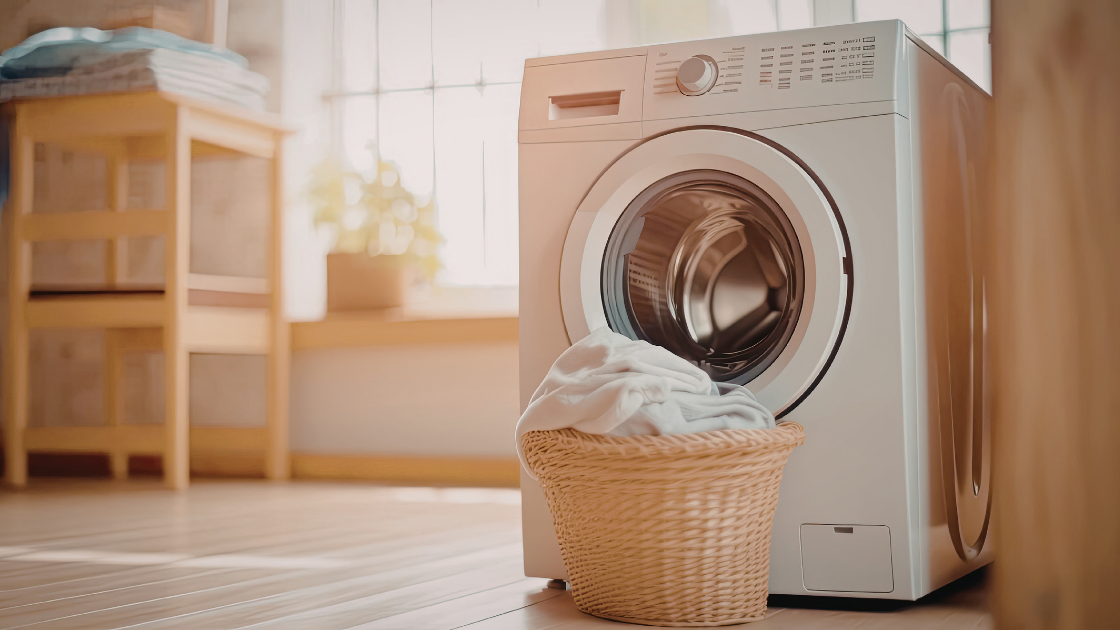
One of the clearest examples in the industry right now: a large HostGPO operator dropped laundry costs from $1.68/lb to $0.64/lb by switching from per-property consumer laundering to an industrial facility at scale. That’s a 62% reduction in a significant recurring cost, and the quality actually improved. Professional industrial laundering is better than small-batch consumer laundering. The savings come from scale and process optimization, not from accepting worse outcomes.
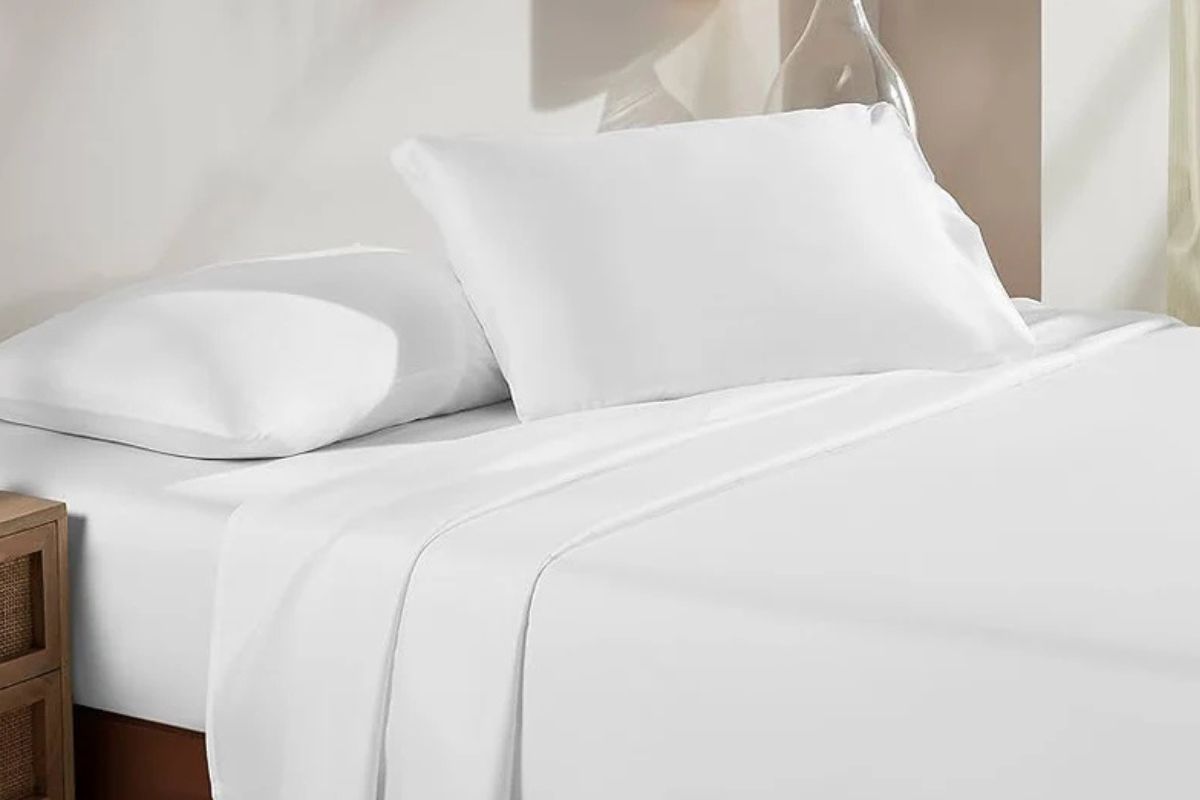
White Standard Textile linens on a bed.
Standard Textile contract-grade linens.

This is the HostGPO philosophy in a nutshell: save money by buying smarter, not by buying cheaper.

The tech stack audit most operators skip

Operators routinely over-buy software tools without ever reviewing whether they deliver ROI. We’ve seen companies running 15 different note-taking tools across a team of 15 people. One meeting notes tool, not five. One pricing tool, not two. Every tool in your stack should justify its existence quarterly.

The framework is simple. Does this tool save measurable time or money within 90 days? Does it connect to your actual operational data? Does it replace something, or just add to the pile? If a tool can’t answer those questions, cut it.

Pipeline automation is another overlooked area. Better tooling and process design can reduce headcount needs without reducing output. That’s not about replacing people. It’s about making sure your team spends their time on work that actually requires a human.

Standardization as competitive advantage

The answer is always white. White linens are easier to bleach, easier to replace, and maintain consistency across every property in your portfolio. No mismatched sets, no color drift after washing, no “which shade of gray did we order for unit 7?”

Standardization is both a cost reduction strategy and a quality strategy. When every property uses the same linens, the same towels, the same amenity kits, your purchasing is simpler, your inventory is interchangeable, and your cleaning teams know exactly what to expect at every turnover.

Contract-grade furniture follows the same logic. When you standardize on durable, replaceable pieces, a coordinated 20-unit refresh through HostGPO’s vendor relationships costs dramatically less than 20 individual replacement cycles of disposable furniture.

Pre-made setup packages (like our standardized HostBOX options for different property sizes) take this even further. Less decision fatigue, faster setup, and consistent quality across your entire portfolio.

  • BedBOX: Curated bed linens, all pre-selected for durability and guest comfort.
  • BathBOX: Hotel-grade towels, washcloths, and bath mats.
  • KitchenBOX: Turnkey solution with all of the kitchen and dinning essentials your guests expect.
  • AmenityBOX: Quality soaps, shampoos, conditioners, and lotions with 1-liter refill bags.

Where the industry is headed

The gap between professional operators and casual hosts is becoming a chasm. Data from STR Global and AirDNA shows that professionally managed properties generate 20-40% more revenue than comparable self-managed listings. And that gap is widening.

Within three years, procurement will be a recognized competitive advantage, not an afterthought. Just like dynamic pricing became table stakes, smart buying will too. Casual hosts will either professionalize or exit. The operators who treat purchasing as a strategic function (not just an expense line) will have structural cost advantages that are nearly impossible to replicate.

Profitability equals two variables. Revenue is one, and in a market growing at 1.5%, the ceiling is low. Costs are the other, and the floor is a lot lower than most operators realize.

Don’t go it alone. Collective buying power, shared knowledge, and curated vendor partnerships exist so you don’t have to figure this out from scratch. That’s literally why HostGPO exists.


Join HostGPO for the best deals for your rental.
A short-term rental operator sitting in his mid-century modern office looking over the financials of his business.

Profitability has two variables, and most operators are only pulling one lever

Revenue growth is slowing, competition is rising, and profitability now depends on more than pricing. The operators who win will be the ones who buy smarter, standardize better, and treat cost control as a strategic advantage.

The era of easy growth in short-term rentals is over. U.S. STR supply is still growing at 4.6% in 2026, occupancy is sliding toward 50-54% (down from 57% in 2024), and ADR gains are capped around 1.5% (PR Newswire). More properties are competing for fewer stays, and revenue growth alone can’t bail anyone out anymore.

That’s the market we’re all operating in. The operators who come out ahead won’t be the ones who squeeze another 2% out of their pricing tool. They’ll be the ones who control what they spend.

Why margins matter more than revenue right now

When revenue was growing 20% year over year, nobody sweated the cost of linens. A few hundred dollars here, an extra software subscription there. It didn’t matter because the top line covered everything.

Now that revenue growth is 1.5%, those same costs are the difference between profitable and underwater. Operating expenses consume 40-50% of gross income for many STR operators. That’s not a rounding error. That’s nearly half your revenue walking out the door before you see a dollar of profit.

The two levers you have left are how you buy and how you operate. Most operators are only pulling one of them, if they’re pulling either.

How you buy: the case for lifecycle economics

Most purchasing decisions in this industry start and end with the sticker price. A $400 MDF sofa looks like a deal compared to a $600 contract-grade piece. Until you replace the MDF every 18 months and the contract-grade lasts five-plus years. Multiply that across a portfolio and the “cheaper” option costs significantly more.

This is what we mean when we say buy nice, not twice.

Crate & Barrel living room furniture. Mid-century modern style contract-grade furniture.
Crate & Barrel makes contract-grade furniture.

The same math applies to linens. Random Amazon microfiber orders have inconsistent color, texture, and durability. You end up with mismatched sets across properties, guests who notice the difference, and replacement cycles that never end. Hospitality-grade product from a vendor like Standard Textile costs more on day one but lasts through 200+ commercial wash cycles while still looking hotel-white.

Think about towels the same way. A $4 towel that lasts 100 commercial washes costs $0.04 per use. A $2 towel that falls apart after 30 washes costs $0.07 per use. The math is clear, and your cleaning team will notice the difference long before your guests do.

What this looks like in real numbers

HostGPO members save an average of $12,292 per year across their portfolio. The average savings rate is 39.3% off retail pricing. On a $15,000 two-bed setup, that’s $2,250-$3,000 saved immediately, before you factor in reduced replacement frequency.

The savings come from collective buying power. HostGPO aggregates the purchasing volume of hundreds of thousands of member properties. That volume gives our vendor partners a reason to offer pricing, priority support, and direct access that individual operators can’t negotiate on their own. We send them serious, consistent business. In return, they give our members things a typical retail buyer can’t get.

How you operate: cutting costs without cutting quality

The second lever is operational efficiency, and it’s the one most operators ignore entirely.

One of the clearest examples in the industry right now: a large HostGPO operator dropped laundry costs from $1.68/lb to $0.64/lb by switching from per-property consumer laundering to an industrial facility at scale. That’s a 62% reduction in a significant recurring cost, and the quality actually improved. Professional industrial laundering is better than small-batch consumer laundering. The savings come from scale and process optimization, not from accepting worse outcomes.

White Standard Textile linens on a bed.
Standard Textile contract-grade linens.

This is the HostGPO philosophy in a nutshell: save money by buying smarter, not by buying cheaper.

The tech stack audit most operators skip

Operators routinely over-buy software tools without ever reviewing whether they deliver ROI. We’ve seen companies running 15 different note-taking tools across a team of 15 people. One meeting notes tool, not five. One pricing tool, not two. Every tool in your stack should justify its existence quarterly.

The framework is simple. Does this tool save measurable time or money within 90 days? Does it connect to your actual operational data? Does it replace something, or just add to the pile? If a tool can’t answer those questions, cut it.

Pipeline automation is another overlooked area. Better tooling and process design can reduce headcount needs without reducing output. That’s not about replacing people. It’s about making sure your team spends their time on work that actually requires a human.

Standardization as competitive advantage

The answer is always white. White linens are easier to bleach, easier to replace, and maintain consistency across every property in your portfolio. No mismatched sets, no color drift after washing, no “which shade of gray did we order for unit 7?”

Standardization is both a cost reduction strategy and a quality strategy. When every property uses the same linens, the same towels, the same amenity kits, your purchasing is simpler, your inventory is interchangeable, and your cleaning teams know exactly what to expect at every turnover.

Contract-grade furniture follows the same logic. When you standardize on durable, replaceable pieces, a coordinated 20-unit refresh through HostGPO’s vendor relationships costs dramatically less than 20 individual replacement cycles of disposable furniture.

Pre-made setup packages (like our standardized HostBOX options for different property sizes) take this even further. Less decision fatigue, faster setup, and consistent quality across your entire portfolio.

  • BedBOX: Curated bed linens, all pre-selected for durability and guest comfort.
  • BathBOX: Hotel-grade towels, washcloths, and bath mats.
  • KitchenBOX: Turnkey solution with all of the kitchen and dinning essentials your guests expect.
  • AmenityBOX: Quality soaps, shampoos, conditioners, and lotions with 1-liter refill bags.

Where the industry is headed

The gap between professional operators and casual hosts is becoming a chasm. Data from STR Global and AirDNA shows that professionally managed properties generate 20-40% more revenue than comparable self-managed listings. And that gap is widening.

Within three years, procurement will be a recognized competitive advantage, not an afterthought. Just like dynamic pricing became table stakes, smart buying will too. Casual hosts will either professionalize or exit. The operators who treat purchasing as a strategic function (not just an expense line) will have structural cost advantages that are nearly impossible to replicate.

Profitability equals two variables. Revenue is one, and in a market growing at 1.5%, the ceiling is low. Costs are the other, and the floor is a lot lower than most operators realize.

Don’t go it alone. Collective buying power, shared knowledge, and curated vendor partnerships exist so you don’t have to figure this out from scratch. That’s literally why HostGPO exists.
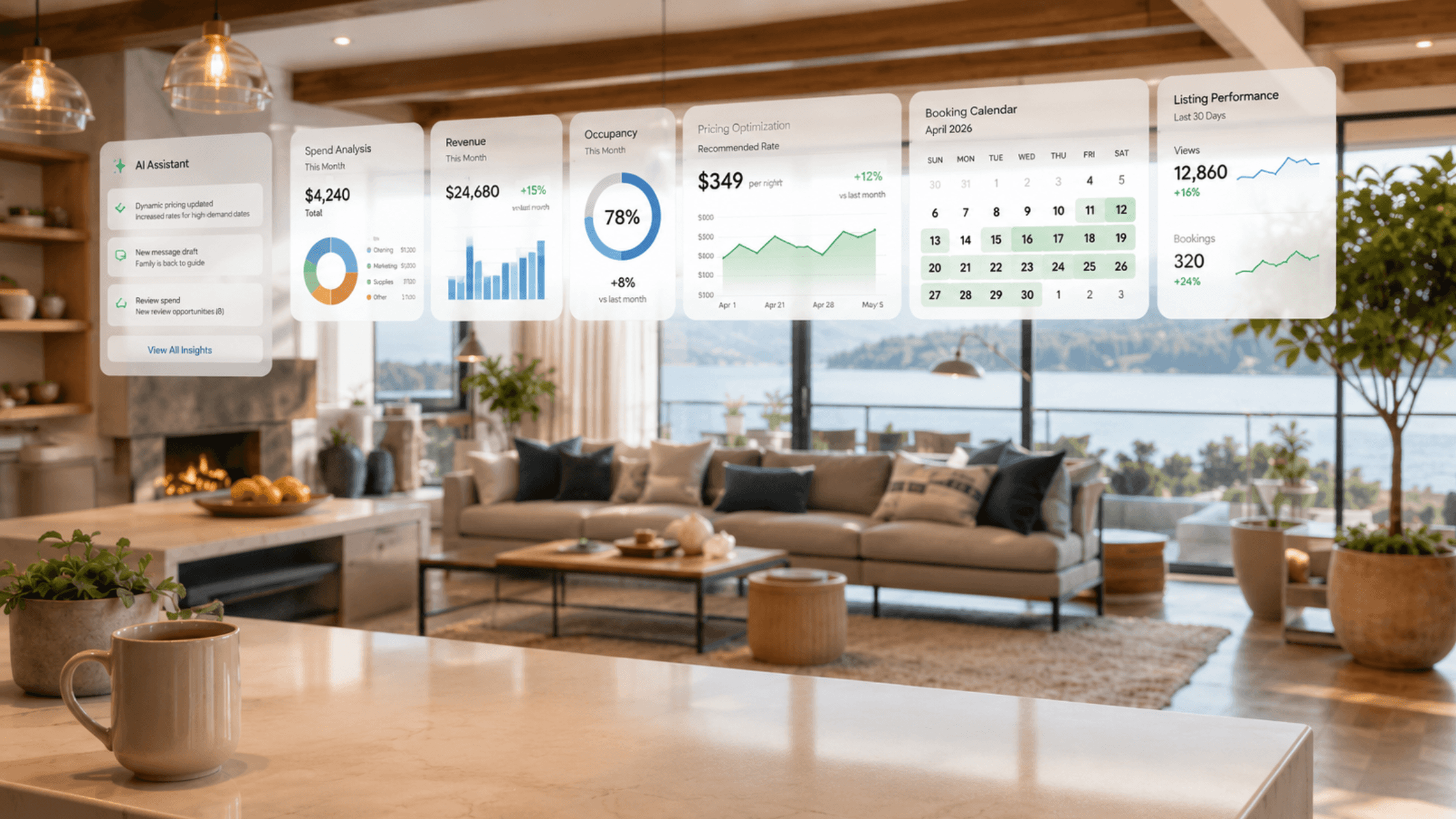
Join HostGPO for the best deals for your rental.